


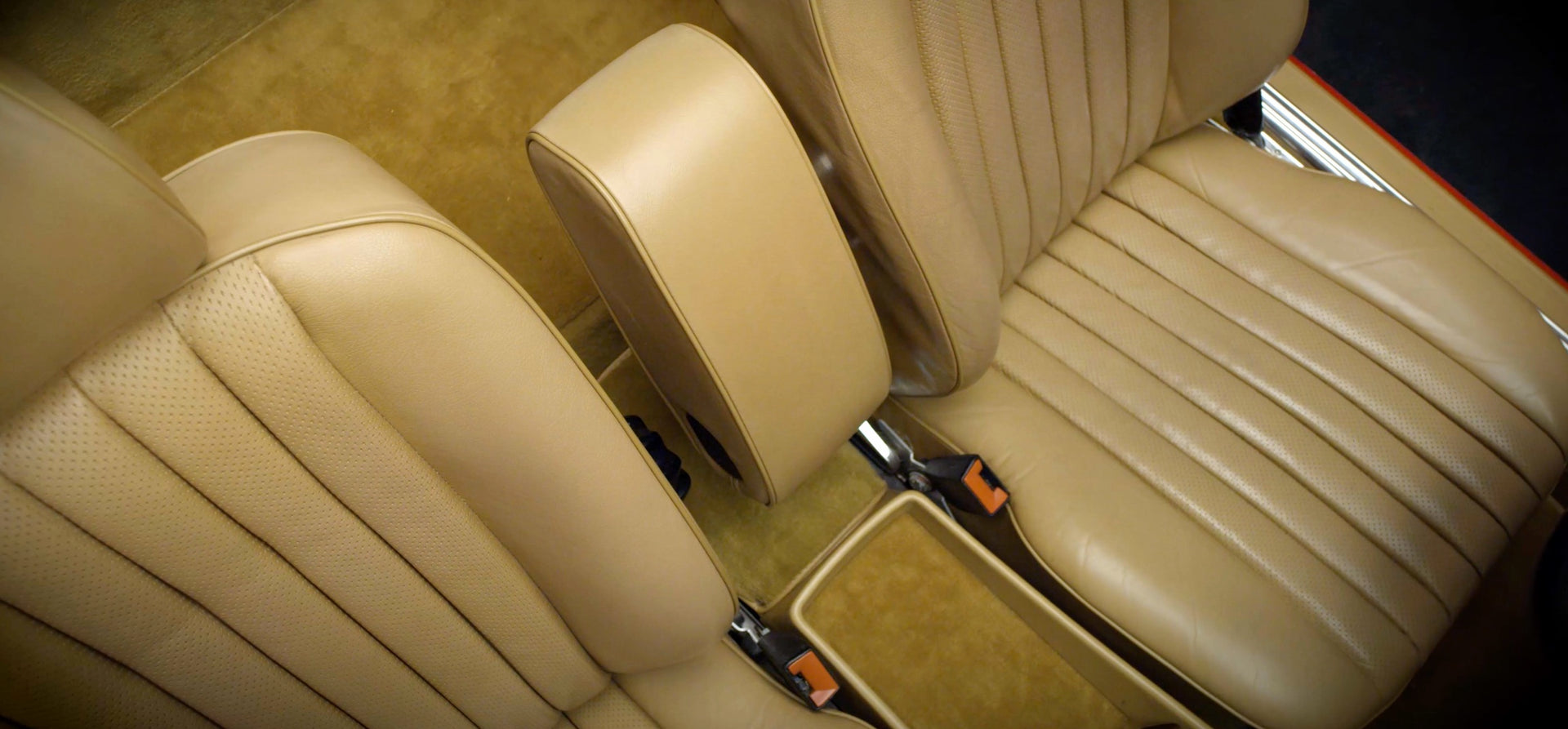
Tutorials: Leather cleaning, care & sealing
Step-by-step instructions for smooth leather, aniline leather, vegan leather and Alcantara – on video and as text
Video tutorials on leather care
From cleaning, care and sealing to tinting and gloss correction – the complete leather care process on video.


Products from the tutorials
All cleaning, care and sealing products from the video tutorials
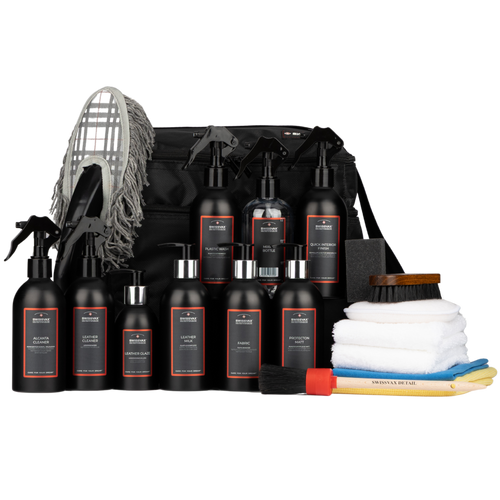
INTERIOR CARE SET Large
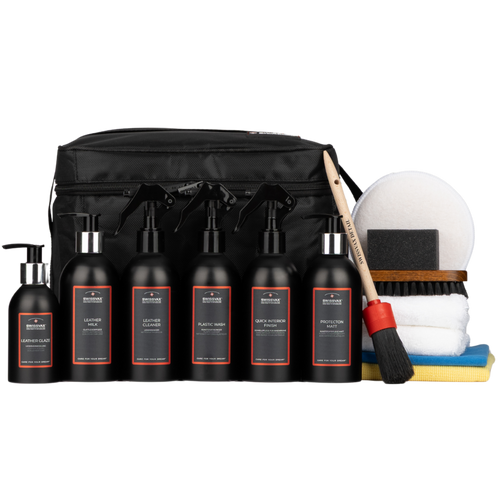
INTERIOR CARE SET Medium
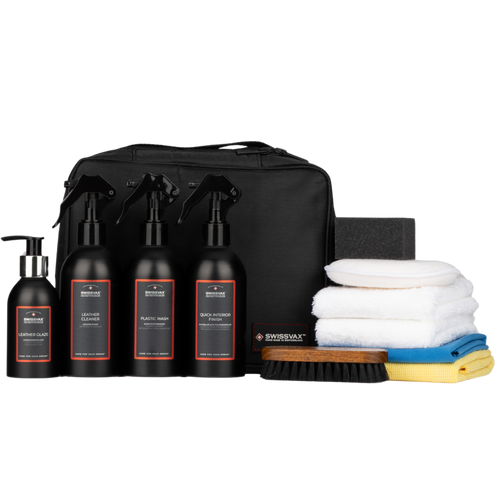
INTERIOR CARE SET Small
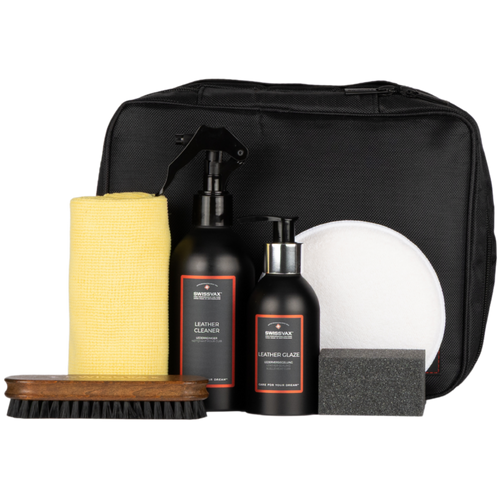
Leather Care & Sealing Kit
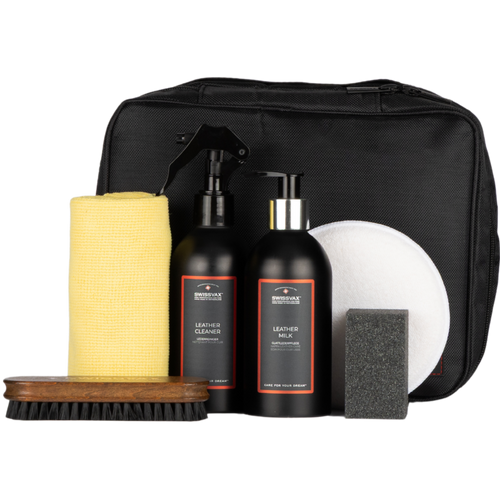
Leather Care Kit
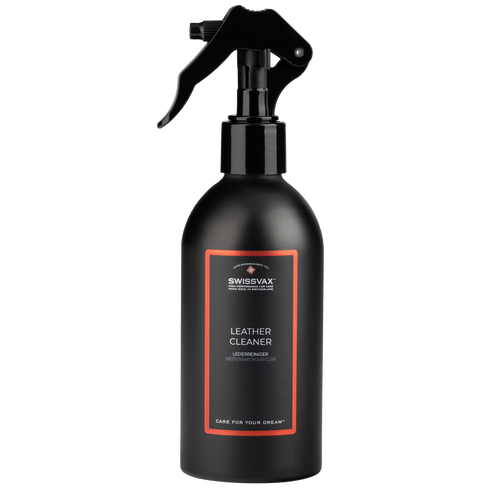
Leather Cleaner
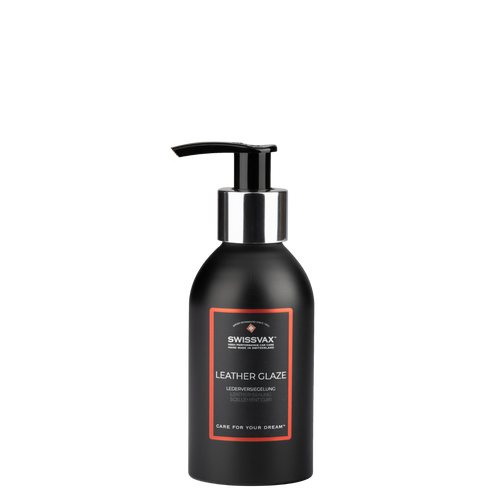
LEATHER GLAZE Leather Sealant
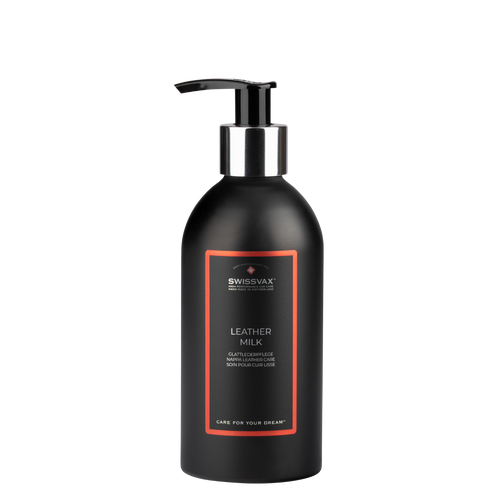
LEATHER MILK Leather Conditioning Emulsion
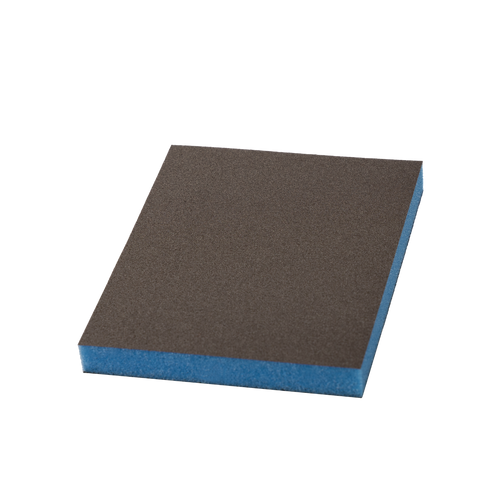
LEATHER SANDING PAD (also for Alcantara)
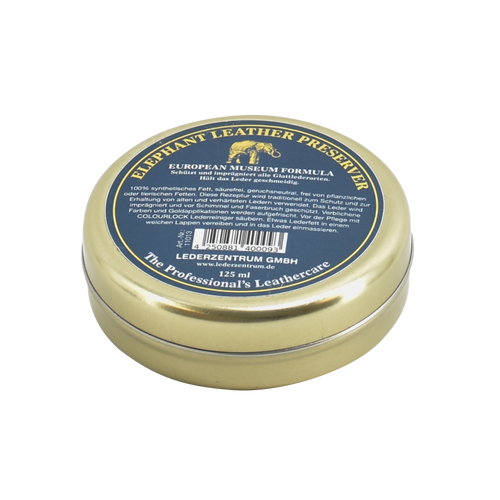
Elephant grease for leather preservation
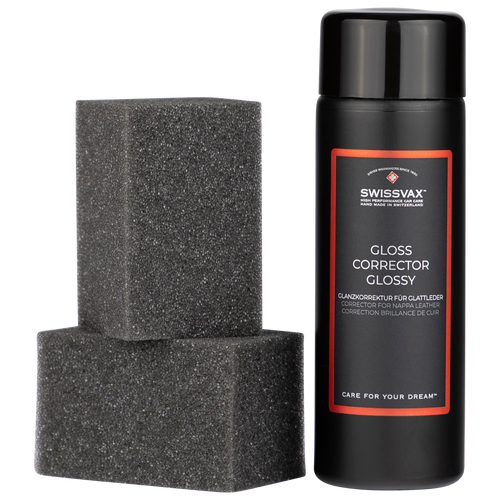
GLOSS CORRECTOR SHINY (150 ml) Gloss Correction for Smooth Leather
Leather cleaning with Leather Cleaner
Leather Cleaner is a highly effective yet gentle leather cleaner with biodegradable active ingredients and glycerine. The pH-neutral formulation allows regular cleaning of all leather areas without attacking the leather – unlike solvent-based cleaners, which accelerate leather ageing and can strip colour.
Leather Cleaner is applied before leather care and sealing – combined with the Cleaning Brush, the perfect solution for leather cleaning. For heavy or older soiling we recommend Leather Cleaner Forte with increased cleaning power.
Using Leather Cleaner / Forte
1. Shake the bottle before use.
2. Spray Leather Cleaner onto the Cleaning Brush and work in with circular motions.
3. Wipe off with a Micro-Wash microfibre cloth or Detail Towel in one direction only. Do not rub!
4. Let the leather dry completely, then treat with Leather Milk.
Important: Do not use Leather Cleaner on buffalo or suede leather.
Leather care with Leather Milk
Leather Milk is an economical care emulsion on an emulsifier base, enriched with vitamin E, glycerine and UV filters. It renews the natural moisture balance of the leather and prevents drying out and cracking.
Leather Milk is applied after cleaning with Leather Cleaner and soaks in within one to two hours. It leaves no residue on clothing and does not require buffing. Repeat the application every six months.
Using Leather Milk
1. Clean the leather with Leather Cleaner.
2. Shake the bottle before use.
3. Apply Leather Milk evenly with the Cotton Applicator white.
4. Let it soak in.
Important: Do not use Leather Milk on buffalo or suede leather.
Leather sealing with Leather Glaze
Leather Glaze makes sure new leather stays new. The colourless, non-glossy sealant dries in minutes and significantly reduces abrasion and wear marks. Especially on the driver's seat, steering wheel and gear knob, signs of use appear quickly even on new cars – these areas should be protected with Leather Glaze early on.
Leather Glaze is also ideal for protecting light-coloured leather from jeans dye transfer. Colour transfers can easily be removed with Leather Cleaner and leave no lasting damage.
Using Leather Glaze
1. Clean the leather with Leather Cleaner. Degrease greasy spots with cleaning benzine.
2. Apply Leather Glaze thinly from seam to seam with a small sponge.
3. Repeat the process if needed.
4. Colour transfers from clothing are still possible, but easier to remove, as they adhere to the sealant – not to the leather.
5. Care for with Leather Milk the next day.
Gloss Corrector – gloss correction for smooth leather
Heavily used leather surfaces such as the steering wheel, armrests and gear knob start to develop a shine over time.
Gloss Corrector Matt restores the more matte original appearance. Gloss Corrector Shiny is the counterpart and gives a glossier appearance – for example when a piece of leather has been replaced on a youngtimer or classic.
Using Gloss Corrector
1. Clean leather surfaces. Degrease greasy spots with cleaning benzine.
2. Shake Gloss Corrector well.
3. Apply in circular motions with a small sponge, or dab for more layer thickness. Each additional pass intensifies the effect. Let it dry in between.
Leather Healer – leather tinting for colour loss
Driver's seats, seat bolsters, steering wheels and gear knobs show colour abrasion and scratches over time. Leather Healer is a highly pigmented leather tint that is applied with a small sponge, self-fixes and does not transfer colour. It refreshes the colour perfectly and uniformly without losing the natural "look and feel" of the leather.
Leather Healer is available in 46 standard colour shades or mixed individually for you. Get in touch for a colour determination or send us a small leather sample.
Using Leather Healer
1. First test the product on a concealed spot.
2. Clean the leather with Leather Cleaner. Degrease greasy spots with cleaning benzine.
3. Shake Leather Healer well.
4. Apply in circular motions with a small sponge or dab on. Repeat the process several times. Let it dry in between.
5. Care for with Leather Milk the next day.
Leather Wax – water protection and impregnation
Leather in convertibles, entry bolsters and all smooth leather exposed to water drops should be treated regularly with Leather Wax. The pure synthetic fat does not turn brown in the sun, does not oxidise and offers no nutrient base for mildew – properties also valued by leading museums worldwide for their leather care.
Using Leather Wax
1. Clean the leather with Leather Cleaner.
2. Massage Leather Wax sparingly into the leather with a cloth.
3. Treat very old leather from both sides if possible.
4. Repeat the application regularly.
Important: Do not use Leather Wax on buffalo or suede leather.
Leather Softener – care for hardened leather
Leather hardens for two reasons: drying out due to lack of care or "gluing" – the shrinking of the leather caused by heat exposure. Vegetable-tanned hides in classic cars are particularly affected.
Leather Softener is a purely synthetic oil that does not break down like animal oils. It returns suppleness to the leather and protects against further degradation. On leathers with a very smooth, closed surface, pre-treat with the Leather Grinding Pad to achieve better absorption.
Using Leather Softener
1. Clean smooth leather with Leather Cleaner.
2. If necessary, carefully rub down the surface with the Leather Grinding Pad.
3. Apply Leather Softener with a sponge or cloth. Let the leather rest for one to two days. Several thin applications are gentler than one heavy saturation – repeat the process as needed.
